COPD After Discharge
For discharge teams on keeping COPD patients out of the ER after discharge.
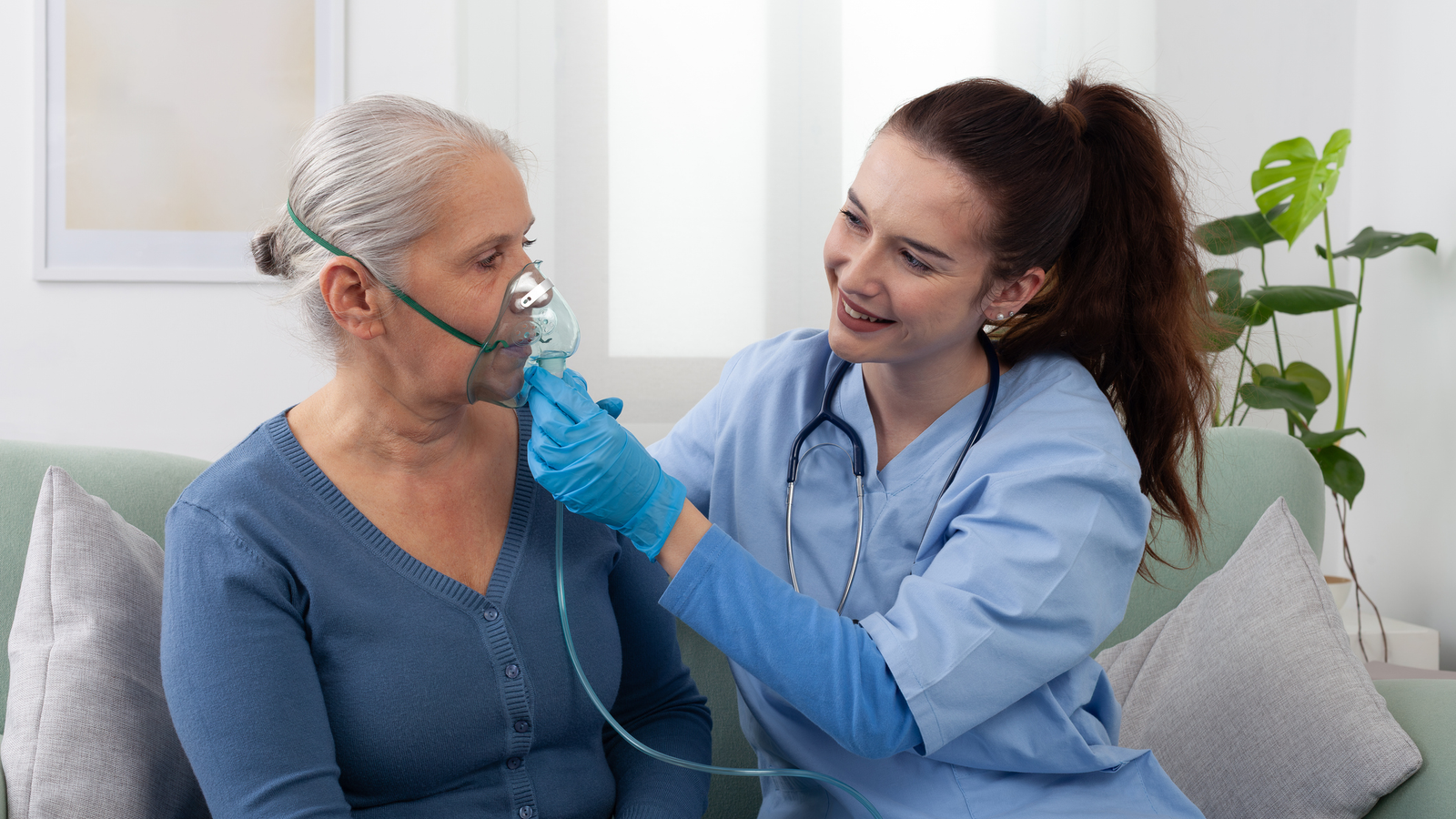
Chronic obstructive pulmonary disease is one of the conditions discharge teams see most, and one of the most likely to bring a patient back. COPD is the third-leading cause of death in the United States, and it's one of six conditions Medicare tracks under its Hospital Readmissions Reduction Program. The pattern is familiar: a patient is admitted for an exacerbation, stabilizes, goes home, and returns weeks later.
The encouraging part is how much of that cycle is influenced by what happens after discharge. For physicians, case managers, and discharge planners, a handful of well-executed home fundamentals do most of the work of keeping COPD patients stable and out of the emergency department. This guide walks through them.
Why COPD patients bounce back
Acute exacerbations, a sudden worsening of symptoms, are the primary driver of COPD hospital admissions and readmissions. Several things make the post-discharge window fragile: patients often leave on new or changed inhalers, oxygen requirements may have shifted, and the early warning signs of the next exacerbation are easy to miss until breathing is already in trouble.
That fragility is also the opportunity. The same factors that drive readmissions, medication confusion, missed early symptoms, and no follow-up are the ones a good home plan can address directly.
Getting oxygen therapy right
For patients who qualify, supplemental oxygen is one of the most important therapies in COPD. NIH-supported research has shown clear benefits for patients with significantly low blood oxygen, and long-term home oxygen therapy remains a cornerstone of care for that group.
Getting it right at home means more than delivering a concentrator. It means the right equipment for the patient's activity level (stationary and portable systems), correct flow settings per the prescription, education on safe use, and a plan for the practical realities — battery life, travel, and what to do if the equipment fails. A patient who doesn't understand or can't use their oxygen as prescribed doesn't get its benefit.
Medication and inhaler technique are the quiet drivers of readmissions
Here's a fact that surprises people outside respiratory care: a large share of COPD patients don't use their inhalers correctly, which means they aren't getting the full dose of the medication keeping them stable. Reconciling the discharge medication list is step one; confirming the patient can actually use the devices is step two, and it's the one most often skipped.
Correcting inhaler technique and ensuring the right rescue and maintenance therapy are in place are among the highest-value interventions in COPD transitional care, the kind of hands-on device education that busy inpatient teams often don't have time to deliver thoroughly. Catching a poor technique or a missing inhaler at the point of home setup can prevent the exacerbation that would have sent the patient back.
A written action plan and early follow-up
Two evidence-backed practices stand out for keeping COPD patients home:
A personalized action plan. A simple, written "if this, then that" plan — how to recognize worsening, what to do, and when to call — helps patients act early instead of waiting until they need the ER. A randomized study found that a personalized action plan delivered at discharge significantly reduced COPD readmissions compared with usual care.
Early, structured follow-up. The days right after discharge are when patients are most vulnerable. Timely follow-up, whether a clinician visit, a check-in call, or home monitoring, catches deterioration while it's still manageable. The value comes from the follow-up being structured: someone is actually watching, and the patient knows who to call.
Pulmonary rehabilitation and breathing techniques
Beyond equipment and medication, patients benefit from learning how to breathe and move more efficiently. Pulmonary rehabilitation, a supervised program of exercise, breathing techniques, and education, helps people with COPD breathe easier and improves quality of life, and it can be especially valuable following a hospitalization for an exacerbation. Even simple techniques like pursed-lip breathing, reinforced at home, help patients manage breathlessness and stay calm and functional during daily activity.
What a strong COPD home plan looks like
Pulling it together, the patients least likely to bounce back are the ones who go home with:
- Oxygen therapy set up correctly — right equipment for their activity level, correct settings, and education on safe use
- Medication reconciled and inhaler technique confirmed — not just prescribed, but demonstrated
- A written action plan for recognizing and responding to early warning signs
- Structured follow-up and a clear point of contact when something changes
- Support for pulmonary rehab and breathing techniques, reinforced in the home
- Caregiver education, so the people around the patient can spot trouble early
None of these is exotic. What they require is a partner who reliably executes them at home, after the hospital's work is done.
The bottom line for referral partners
COPD readmissions aren't inevitable. The difference between a patient who stays home and one who returns is often the quality of the transition, whether oxygen and inhalers are set up and understood, whether there's a plan for the next bad day, and whether someone is following up before a symptom becomes an emergency.
If you're discharging COPD patients and want a home respiratory partner who will set up oxygen correctly, confirm inhaler technique, and stay in contact after the handoff, connect with our provider team.
This article is educational and not a substitute for individualized medical advice.
Questions? We're here to help.
Contact your Unicare Health pediatric respiratory therapist or call 800.400.6333 for support, supply orders, or guidance on your child's at-home respiratory care.