Reducing 30-Day Readmissions in Respiratory Patients: What Discharge Teams Can Control
An educational guide for discharge teams on the controllable factors that drive 30-day readmissions in respiratory patients, including early planning, teach-back, medication reconciliation, pre-discharge home setup, and follow-up.
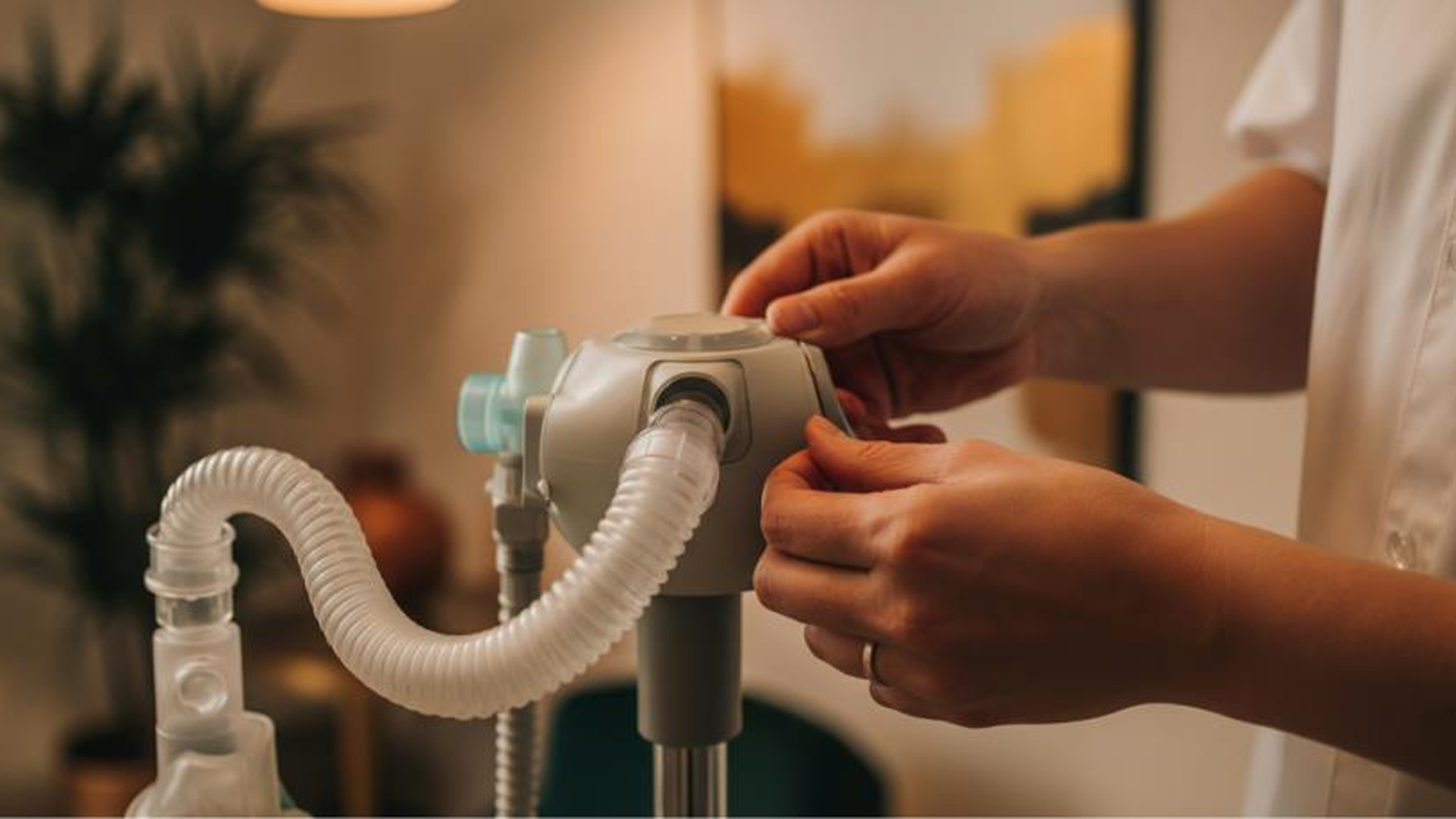
For patients discharged with complex respiratory needs, the 30 days after they leave the hospital are among the most fragile stretches of their care. It's the window when a ventilator setting could go unquestioned, a medication change could get missed, or a warning sign could go unnoticed until it becomes an emergency. It's also the window that determines whether a discharge is held or ends in a return trip through the Emergency Department.
Respiratory patients carry more of that risk than most. For example, chronic obstructive pulmonary disease (COPD) is 1 of 6 conditions Medicare tracks under its Hospital Readmissions Reduction Program, and roughly 1 in 5 patients hospitalized for COPD is readmitted within 30 days. Readmission risk generally increases with the severity or complexity of a patient’s disease–patients reliant on invasive ventilation are at elevated risk. Those readmissions to the hospital are costly, disruptive for families, and, importantly, often preventable. A large share of what drives them isn't the underlying disease. It's what happens, or doesn't happen, around the discharge itself.
Here's the encouraging part: much of that risk is controllable. Decades of work by the federal Agency for Healthcare Research and Quality (AHRQ) point to a consistent set of discharge practices that measurably lower readmissions. None of them are exotic. They're about doing the fundamentals reliably and extending them past the hospital walls.
Start planning at admission, not at discharge
Discharge planning works best when it isn't a one-time event tacked onto the end of the stay. AHRQ's IDEAL Discharge Planning framework – Include, Discuss, Educate, Assess, Listen – treats the transition as a process that begins the day the patient is admitted and engages the patient and family throughout. Starting early leaves time to flag high-risk patients, arrange home support, and avoid the last-minute discharges where gaps hide.
Educate the patient and caregiver, and confirm with teach-back
A patient who doesn't understand their medications, warning signs, or equipment is a patient at risk. AHRQ recommends teaching in plain language and confirming understanding with teach-back, asking the patient or caregiver to explain the plan back in their own words, rather than simply asking ‘Does that make sense?’ For respiratory patients, that means inhaler and nebulizer technique, oxygen use, tracheostomy or ventilator basics, and a clear picture of what a bad day looks like.
Reconcile medications before the patient leaves
Reviewing medications is one of the 5 problem areas IDEAL flags for every discharge, and medication errors are a well-documented source of post-discharge harm. Reconcile the discharge list against what the patient was taking before admission, and make sure the patient and caregiver understand what changed and why, especially for the inhaled and maintenance therapies that keep respiratory patients stable.
Confirm the home is ready, equipment and support are in place before discharge
For respiratory patients, this is where transitions most often break down. Home oxygen, ventilation, suction, nebulizers, and supplies need to be delivered, tested, and working, and caregivers trained on them before the patient goes home, not days later. A discharge that sends a ventilator-dependent patient home to wait on equipment has built a gap into the plan. AHRQ's Re-Engineered Discharge (RED) toolkit is built around exactly this kind of comprehensive, before-the-patient-leaves preparation.
Close the loop after discharge
The plan doesn't end at the curb. Structured follow-up, a phone call within a few days, appointments scheduled before discharge, and a clear point of contact when something changes actually catch problems while they're still small. RED deliberately pairs thorough pre-discharge preparation with post-discharge follow-up because the days right after discharge are when patients are most vulnerable.
These steps actually move the needle
This isn't theory. Hospitals that adopted AHRQ's RED process have lowered readmissions and post-discharge ED visits. One rural community hospital cut all-cause readmissions by 32%. IDEAL discharge planning, built around engaging patients and families, is designed to reduce adverse events and prevent readmissions. The common thread across both is unglamorous but decisive: reliable execution of the basics, carried through the transition into the home.
Where a home respiratory partner fits
Several of these levers live outside the hospital: pre-discharge home setup, caregiver training, medication and equipment readiness, post-discharge monitoring, and around-the-clock access to a clinician when something changes. That's the work a capable home respiratory partner is built to carry: operationalizing the discharge plan, so it holds after the patient leaves. When that partner is respiratory-therapist-led and coordinates directly with the discharge team, the handoff becomes a continuation of care rather than a point of failure.
The bottom line
A 30-day readmission is rarely a single dramatic failure. It's usually the sum of small, controllable gaps — a plan built too late, teaching that didn't land, equipment that wasn't ready, follow-up that never happened. Discharge teams can't control a patient's underlying disease, but they have real control over the transition. Plan early, teach with teach-back, reconcile medications, confirm the home is ready, close the loop, and more of your respiratory patients stay where they recover best – at home!
If you're coordinating complex respiratory discharges and want a partner who will uphold your standard of care after the patient goes home, connect with our provider team.

Questions? We're here to help.
Contact your Unicare Health pediatric respiratory therapist or call 800.400.6333 for support, supply orders, or guidance on your child's at-home respiratory care.